Transition & metabolic health
Feeding strategy for the close-up and fresh periods, when most metabolic disease starts.
- Close-up and fresh cow diets
- DCAD and mineral nutrition
- Hypocalcemia, ketosis, displaced abomasum
I work on dairy cow feeding, transition cow management and feed additives, turning peer-reviewed research into rations that work in practice.
R&D & LaboratoryGlobal NutritechVisit Global Nutritech ↗

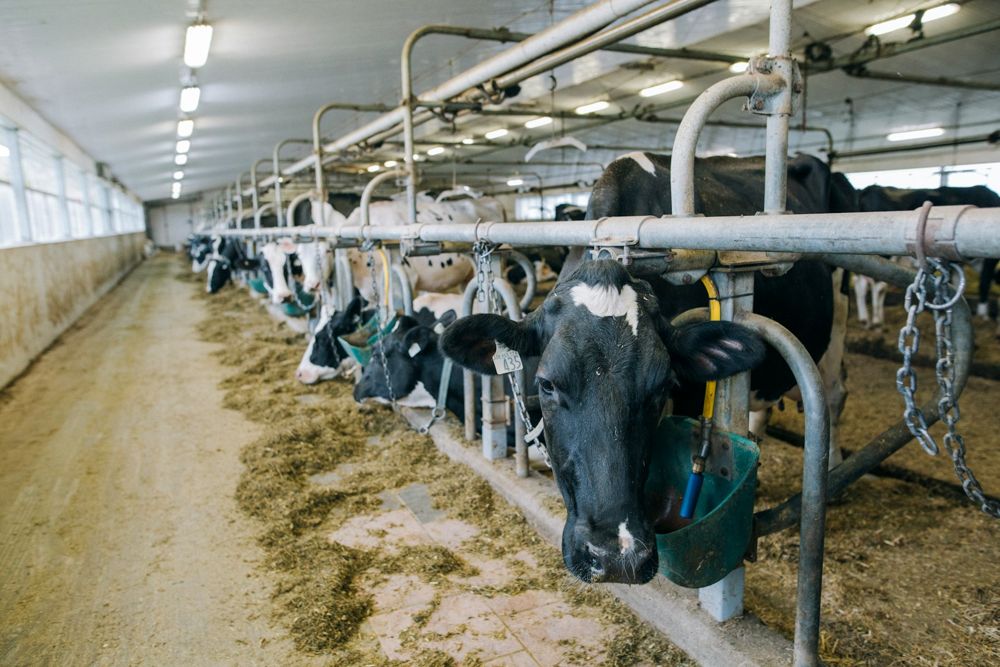
Feeding strategy for the close-up and fresh periods, when most metabolic disease starts.
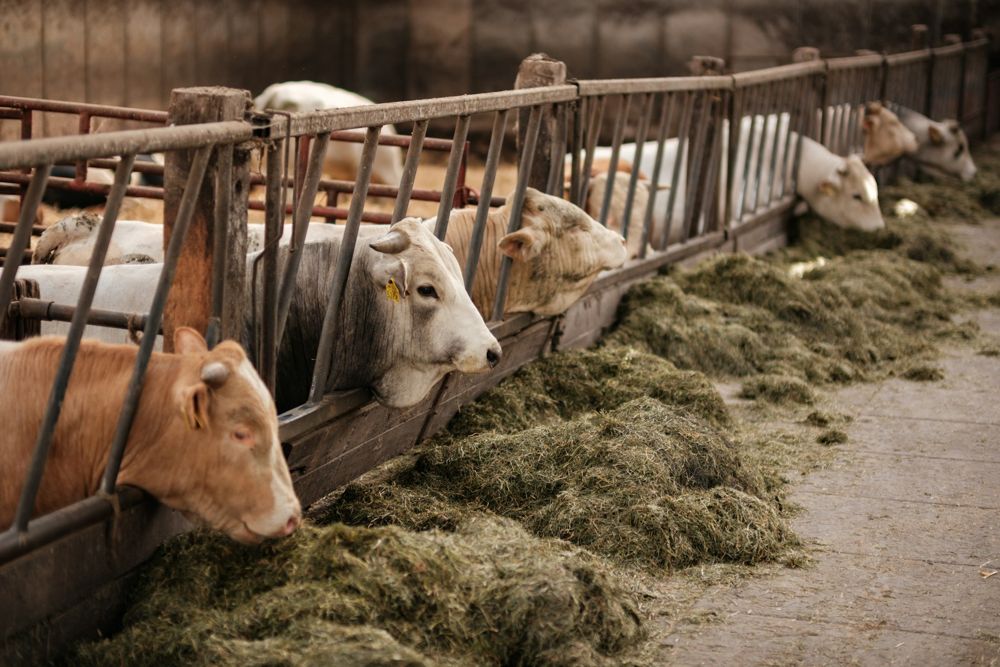
Keeping fermentation stable through fiber supply, starch control and bunk management.
Reading feed analyses correctly and judging where additives change outcomes.
Short, referenced articles on problems that come up in dairy herds and in the lab.
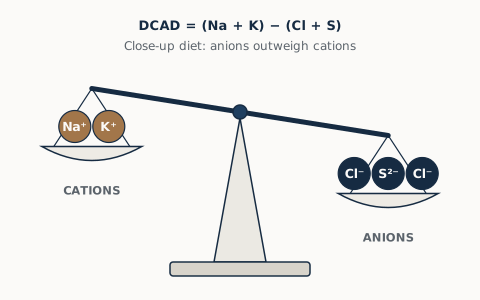
How dietary cation-anion difference affects calcium metabolism and milk fever risk around calving.
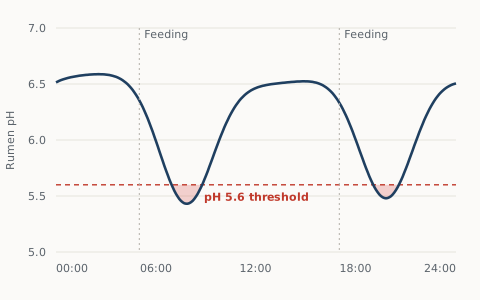
SARA causes, the herd-level signs that appear before milk drops, and how to prevent it.
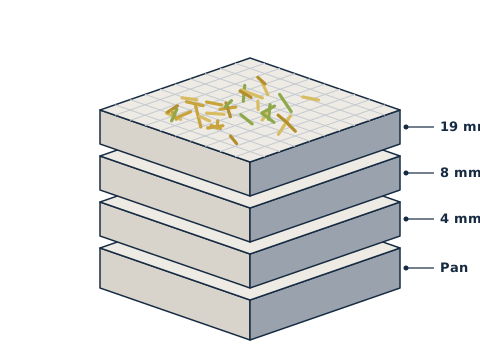
The correct shaking protocol, current target ranges and the most common misreadings.
Enter Na, K, Cl and S from your ration analysis and get DCAD in mEq/kg DM, with an interpretation for close-up or lactating cows.
Open the calculatorOne question, one referenced answer, readable in about a minute.
Urine pH shows whether an anionic close-up diet has actually shifted the cow's acid-base status. For Holsteins, a group average of about 5.5–6.0 indicates full acidification. Above 7.0, the diet is having little effect.
It does not measure blood calcium, and one cow tells you little. Sample 8–12 cows at the same time relative to feeding and look at the spread as well as the average.
Cows pick the finer, more palatable part of the TMR first. Long, dry hay or straw is easy to push aside, especially when the ration is dry or chop length is uneven.
They then eat more concentrate early in the day than intended, which raises acidosis risk. Rising upper-screen values in the refusals confirm sorting.
Leonardi & Armentano, 2003. J. Dairy Sci. 86:557–564
In corn grain, starch granules sit inside a protein matrix of prolamins (zein) that limits microbial access. During fermentation, proteolysis gradually breaks this matrix down.
As a result, ruminal starch digestibility of corn silage and high-moisture corn keeps rising over several months of storage. A ration balanced at silo opening can become more fermentable later.
Hoffman et al., 2011. J. Dairy Sci. 94:2465–2474
A common inclusion is about 0.75% of ration DM, roughly 180–200 g per cow per day at 25 kg DMI.
The response is largest in corn silage-based, high-starch rations with limited effective fiber, and often small in hay-based rations. A buffer supports rumen pH but does not fix a ration that is short of effective fiber.


I'm Tolga Akay, an animal nutritionist working between research and practice.
At Global Nutritech, a feed additive and premix manufacturer in Türkiye, I coordinate R&D and manage the laboratory, where I run analyses such as particle-size assessment and feed evaluation.
Alongside this work I am completing a master's degree in animal nutrition. This site is where I publish technical writing on rumen physiology, transition cow management and feed evaluation, based on peer-reviewed references.

New articles, technical reports and short research notes on dairy cow feeding. Sent occasionally, never shared.
A clear, four-step process, so you know what to expect and what to prepare.
A short call or message exchange to understand your herd or product, the problem and your goals.
You share the current ration, feed analyses and herd records. Where needed, TMR and forage samples are taken for laboratory analysis.
Laboratory results are combined with field checks such as particle size, urine pH and manure scoring. You receive a written report with clear, prioritised recommendations.
Changes are applied step by step, and we track the results together through intake, milk yield, components and health records.
Send a short description of the herd or product and what you would like to solve.